
Biodiversity
For centuries embroidery has been a compelling medium for storytelling, self-expression, and empowerment and nature has inspired extraordinary embroidery heritage.
Fragile Threads is the RSN's call to tackle the fragility of our natural world and ongoing species loss, empowering people to learn a new skill and tell their biodiversity stories through embroidery.
Download the full report
Fragile Threads aims to raise awareness, understanding and challenge behaviour. To ensure it achieves real impact, the RSN commissioned a report entitled Biodiversity: Impact, assessment and solutions which was invaluable in helping us shape our project direction with confidence and integrity.
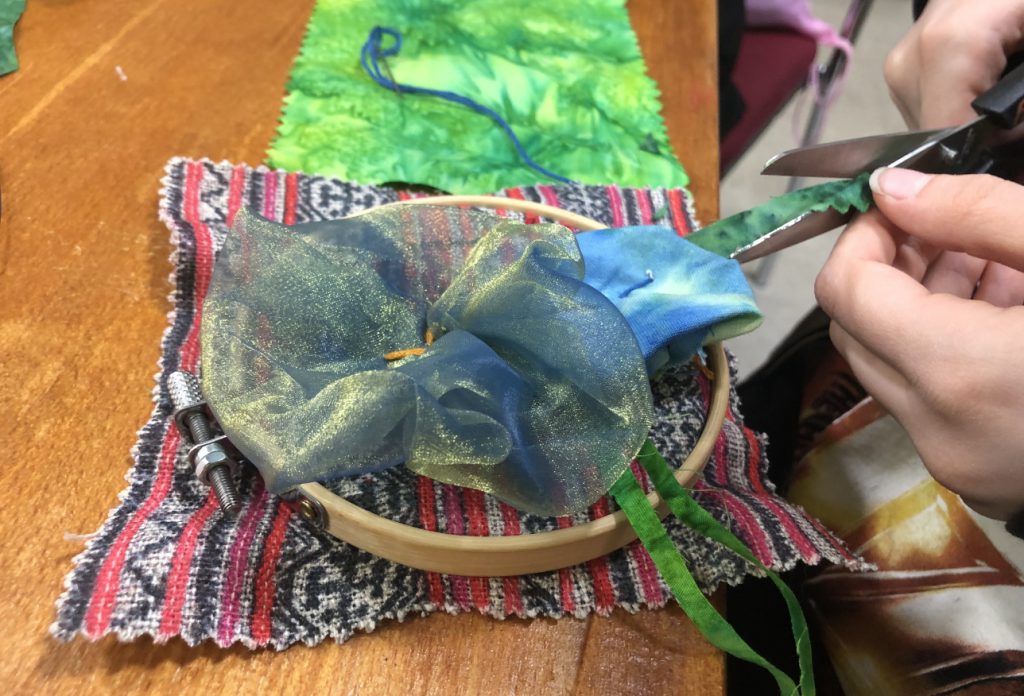
Through vibrant and compelling embroidery images, we aim to help raise awareness, foster understanding and contribute to the ongoing conversation by creating issue-led embroidery that tells stories.
Given the partnership of embroidery and the natural world is an obvious step to take biodiversity loss as a call to action, offering messages of real hope that, through nature-based solutions we can be encouraged to sustainably to manage and restore ecosystems and effectively balance current challenges.
Our specially commissioned report reveals;
The Extinction Crisis
One million species are at risk of extinction—and many could disappear within our lifetime. Human activity is driving the fastest loss of biodiversity in history.
Nature’s Alarming Decline
Nature’s Alarming Decline
Britain’s Vanishing Meadows
The UK has lost 97% of its wildflower meadows. These once-common landscapes supported countless bees, butterflies and other pollinators that help put food on our tables.
Nature Is an Economic Powerhouse
Nature contributes an estimated £47 billion to the UK economy every year. From clean water and healthy soils to flood protection and pollination, biodiversity underpins our prosperity.
Recovery Is Possible
When nature is given space, it can bounce back. At the Knepp Estate in Sussex, nightingale numbers rose from just 2 breeding pairs to 34, showing how quickly wildlife can recover through rewilding.
The story of biodiversity is not only one of decline — it's also a story of recovery, innovation and hope. Around the world, people, communities and organisations are demonstrating that positive change is possible when nature is given the opportunity to thrive.